How Are Autonomous Drones Shaping Modern Defense Strategies?
Others

How Are Autonomous Drones Shaping Modern Defense Strategies?

It takes approx. 3 minutes to read this article

Sponsored article

As technology rapidly evolves, autonomous drones are at the forefront of an ongoing shift in military defense strategies worldwide. These cutting-edge machines, powered by artificial intelligence and sophisticated algorithms, are reshaping the battlefield by providing unmatched surveillance, precision, and operational efficiency. However, alongside these advancements come significant strategic and ethical considerations. This article delves into how autonomous drones are redefining defense paradigms, enhancing capabilities, and the challenges they pose.

Advancements in drone technology

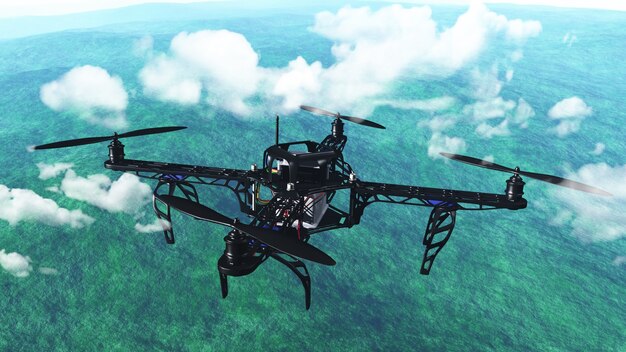
In recent years, autonomous drones have revolutionized modern defense strategies, paving the way for significant advancements in drone technology. Key innovations include the integration of artificial intelligence and machine learning, empowering military drones with enhanced decision-making capabilities and greater adaptability to dynamic combat environments. These cutting-edge technologies enable autonomous drones to analyze vast amounts of data in real-time, boosting their precision in mission execution while minimizing human intervention. Perhaps the most groundbreaking development is the emergence of the kamikaze drone, which employs advanced AI algorithms to independently seek and neutralize targets, effectively offering a sophisticated solution in defense scenarios. AI in defense continues to evolve, allowing drones to not only operate autonomously but also to counter electronic warfare and maintain operational integrity. These advancements underscore the pivotal role of military drones in shaping future defense tactics, delivering robust performance with minimized collateral impact.

Impact on military operations

Autonomous drones are revolutionizing military operations by enhancing the efficiency, safety, and precision of modern defense strategies. These advanced aerial vehicles are being strategically deployed in a variety of scenarios, from reconnaissance missions to offensive operations, offering unparalleled tactical advantages. By minimizing the need for direct human involvement in high-risk environments, autonomous drones reduce potential casualties and ensure the successful execution of critical missions. Their ability to gather and relay real-time intelligence is crucial in shaping responsive defense strategies, providing military forces with the upper hand in decision-making processes. Moreover, drone deployment can be rapid and flexible, allowing for quick adjustments to changing battlefield situations. The tactical advantages offered by autonomous drones also include superior surveillance capabilities, enhanced target acquisition, and precise engagement strategies. As technology continues to advance, these drones will further integrate into military operations, becoming an indispensable asset in global defense strategies.

Ethical and strategic considerations

The integration of autonomous drones into modern defense strategies raises significant ethical and strategic considerations, requiring a delicate balance between technological advancement and moral responsibility. The ethics of drone warfare are challenged by questions surrounding accountability and the potential for decreased human oversight in lethal operations. As autonomous systems take on roles traditionally filled by soldiers, they could inadvertently impact the existing rules of engagement, which are premised on human judgment and decision-making. Furthermore, the strategic implications of deploying autonomous systems in combat cannot be overstated, as they could potentially alter the dynamics of warfare, enabling faster reactions and more precise targeting, yet also introducing risks such as escalation due to misjudgments by automated processes. Global military ethics face a crucial test as countries weigh the benefits of technological superiority against the potential for misuse or accidental harm, thereby reshaping the landscape of international defense policies and redefining what it means to engage ethically in conflict.


Add comment

Your email address will not be published. Required fields are marked *

*

Recommended articles
Delicate style of Parisian women – how to apply it on a daily basis?
Parisian women are famous for always looking phenomenal. And they don't have to wear sophisticated outfits at all. Like no one in the world, they can create interesting combinations that attract attention and delight!
5 Mistakes Not to Make with Long Hair
A large group of women decides to grow their hair. Each hair length requires different care. Long hair is particularly vulnerable to damage, dryness and split ends There are a few care tips for long hair, which will keep your hair shiny and full of natural shine How Do I Care for Long Hair? How often should I wash and comb my hair? Many women with long hair ask these questions. Check out the most common mistakes made by people with long hair and the recommendations of top hairdressers 5 Common Hair Care Mistakes for Long Hair Wrong frequency of washing hair and scalp Every hair is different, but a common mistake people with long hair make is washing their hair too often or too infrequently. There is no universal advice on how often you should wash your scalp. The best way to gauge this is to observe your own hair and how it looks and styles after a few days without washing. Washing your hair every day can dry out your hair and cause it to become more brittle. Using strong cleansers washes away the natural bacterial flora from the scalp, which can cause dandruff and skin problems Sleeping with Bound Hair Nighttime is a time of rest for our bodies, but also for our hair and scalp. Sleeping in a ponytail, bun or braid weakens the hair follicles, which can cause excessive hair loss. It is best to wear your hair open when choosing your hairstyle for everyday use. Wearing a tight up-do every day makes your hair greasy faster. The long, well-groomed hair is worth showing off. Skipping Combing Your Hair Brushing your hair is a very important part of hair care and should not be skipped. If you have curly or wavy hair that frizzes out as a result of combing, it's a good idea to do this when your hair is wet, right after shampooing. Detangling tangles can be painful and cause you to pull your hair out. Special products designed to smooth out the hair structure may help those who have trouble detangling their hair. It is advisable to wash your hair with lukewarm water to close the cuticles and to leave the shower feeling smooth and pleasant to the touch Frequent Use of Dry Shampoo Dry shampooing is an option that should only be used in exceptional situations when it is not possible to wash your hair under running water. When you spend time in the shower washing your hair, you should make sure that your hair is well wet before you apply shampoo. Sometimes, as a result of rushing, we try to rub shampoo into partially or slightly wet hair, which is a mistake. Hair should always be well wet and after shampooing and conditioning rinsed very thoroughly. Leaving product on your hair can dry it out and even cause dandruff Not cutting your hair People who are in the process of growing their hair sometimes skip going to the hairdresser altogether. It turns out that this is not the wisest solution. Not only is it important to keep your hair long, it is also important to consider the health and condition of your hair. Regular trimming keeps the hair strong and the ends from splitting. An even, professional cut gives your hair a beautiful, aesthetically pleasing appearance. In addition, regular trimming stimulates the hair to grow faster, so lost hair grows back quickly
Princess Diana’s beauty rules that she followed every day
Curious about how Princess Diana took care of her skin? Find out!
Latest articles